GAC Motors
At GAC Motors, I was that guy, the go-to for wild ideas and over-the-top concept cars. In a sea of buttoned-up, conservative designers, I definitely stood out. But that’s exactly why my friend Pontus Fontaeus brought me on board.
I was based out of the GAC Advanced Design studio in Newport Beach, California, originally tasked with building an experience team to help launch GAC Motors in the U.S. But thanks to the ever-shifting geopolitical winds, that plan got parked.
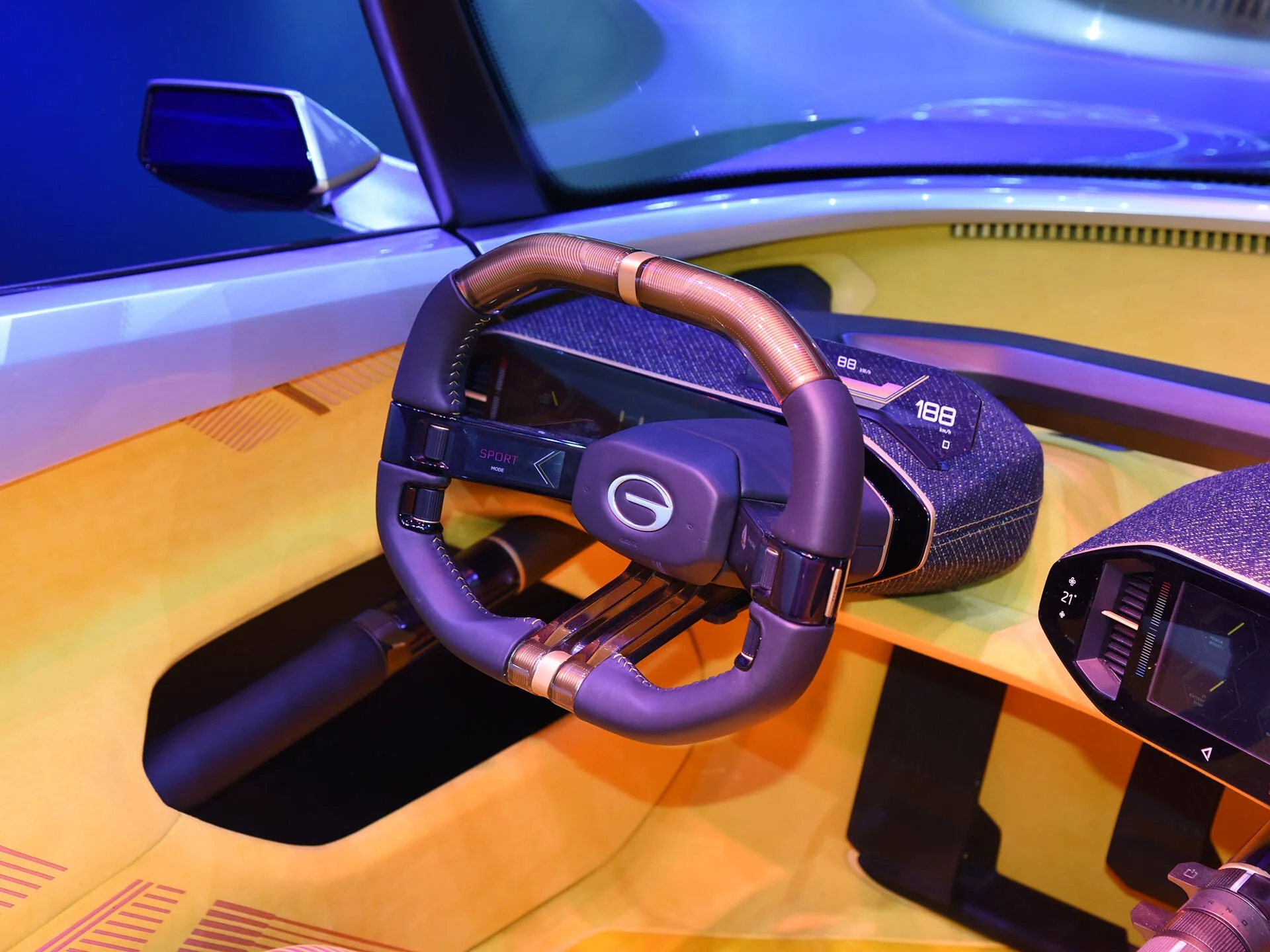
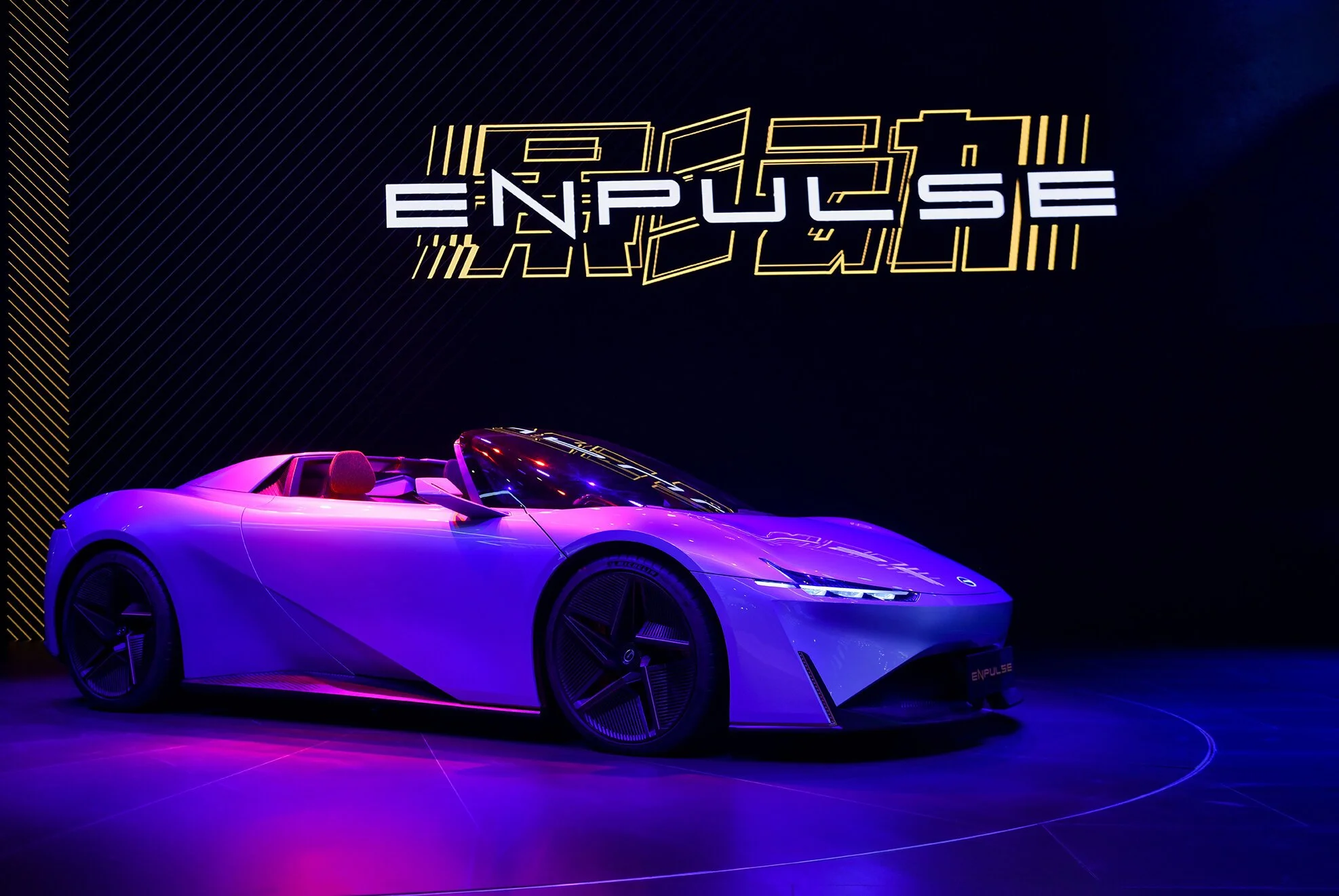
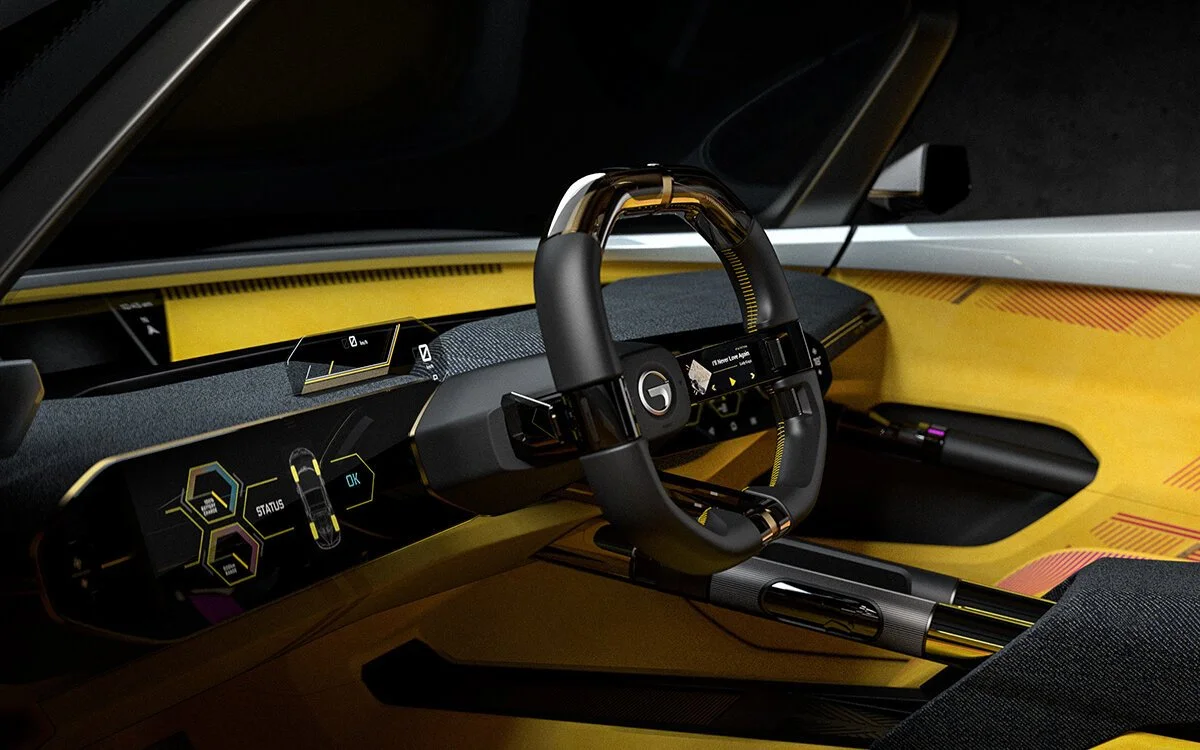
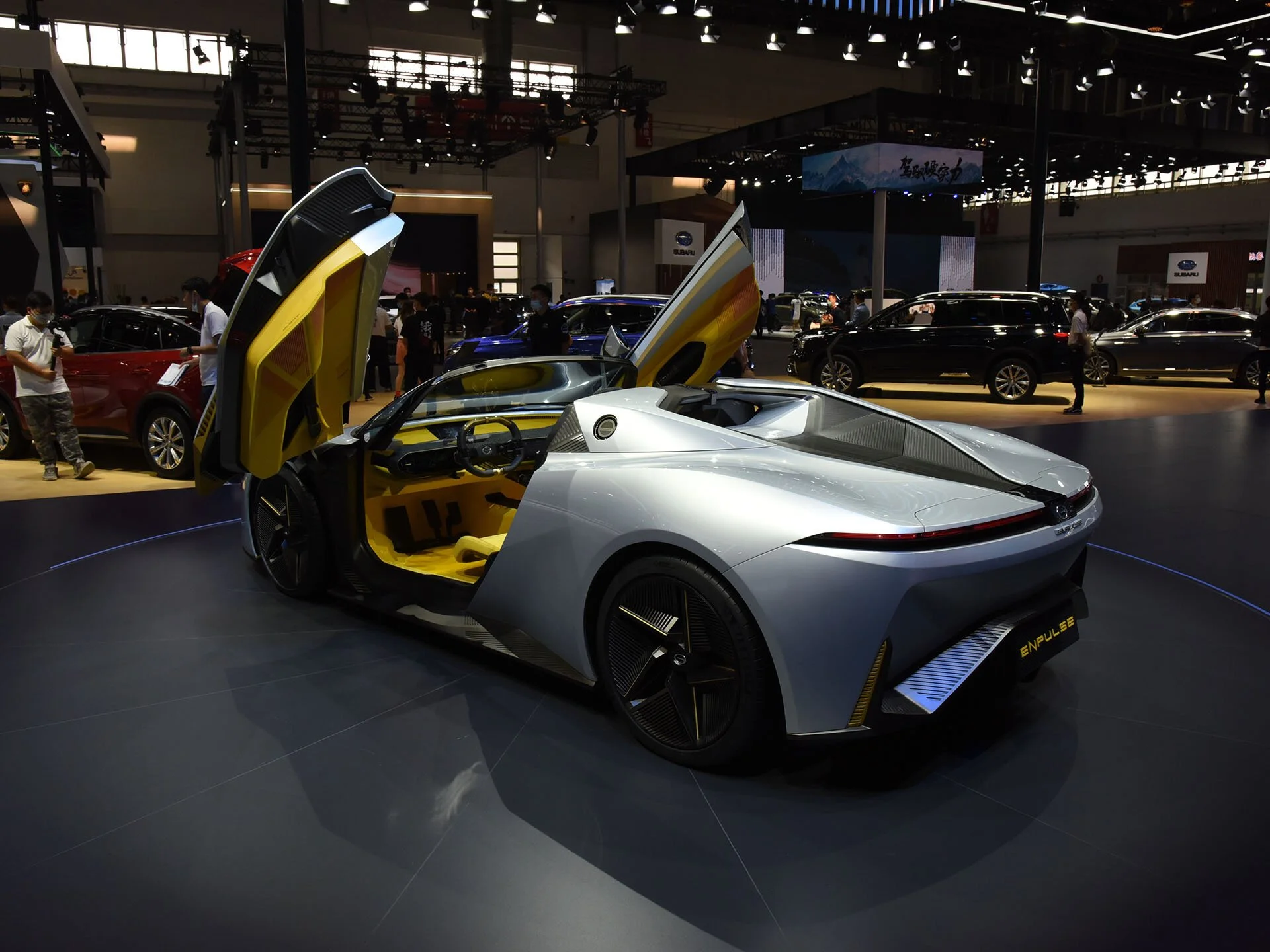
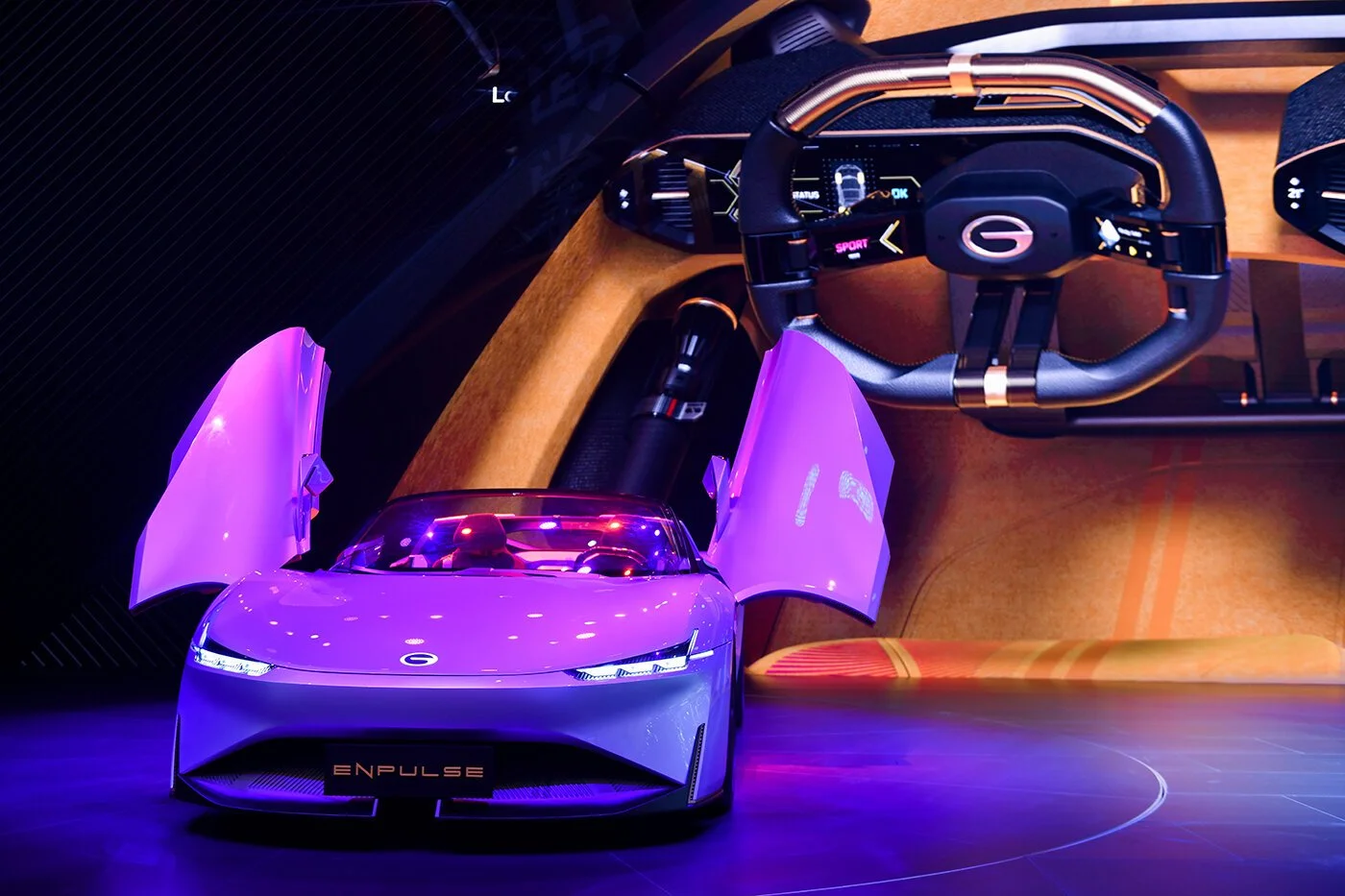
Instead, I pivoted into an advanced design think tank, where I got to explore future-forward ideas and create concept vehicles and experiences that pushed boundaries. One of the standout projects was the GAC Enpulse, a fully electric concept that debuted at the 2020 Beijing Auto Show.
While we didn’t end up launching in the States, the work was bold, imaginative, and exactly what I was hired to do…challenge the status quo and show what the future could look like.
Faraday Future
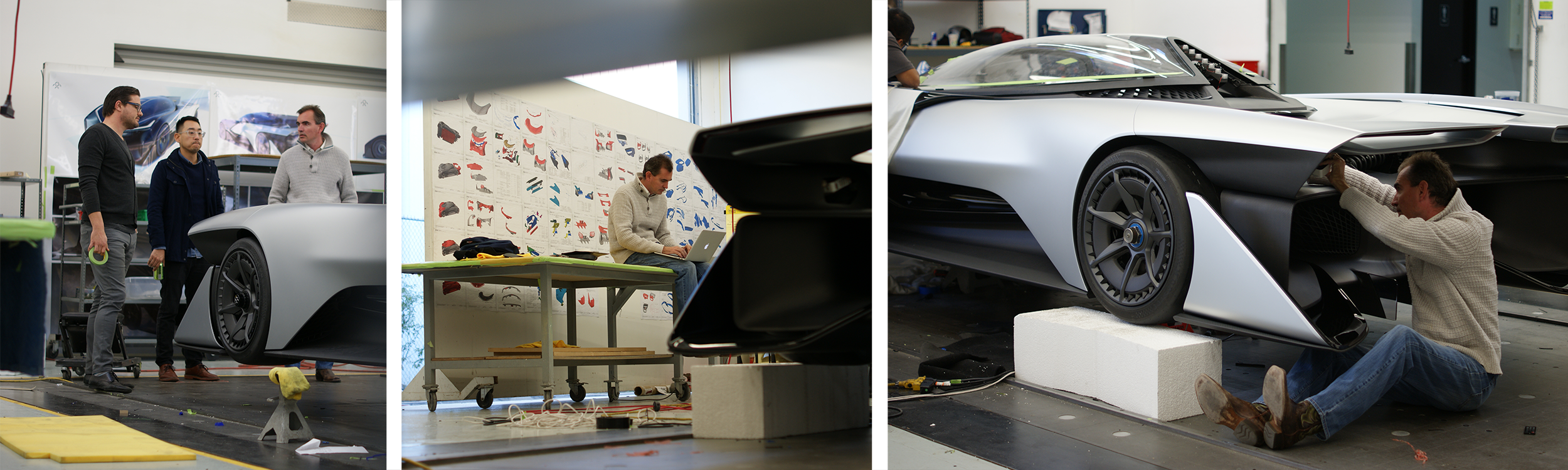
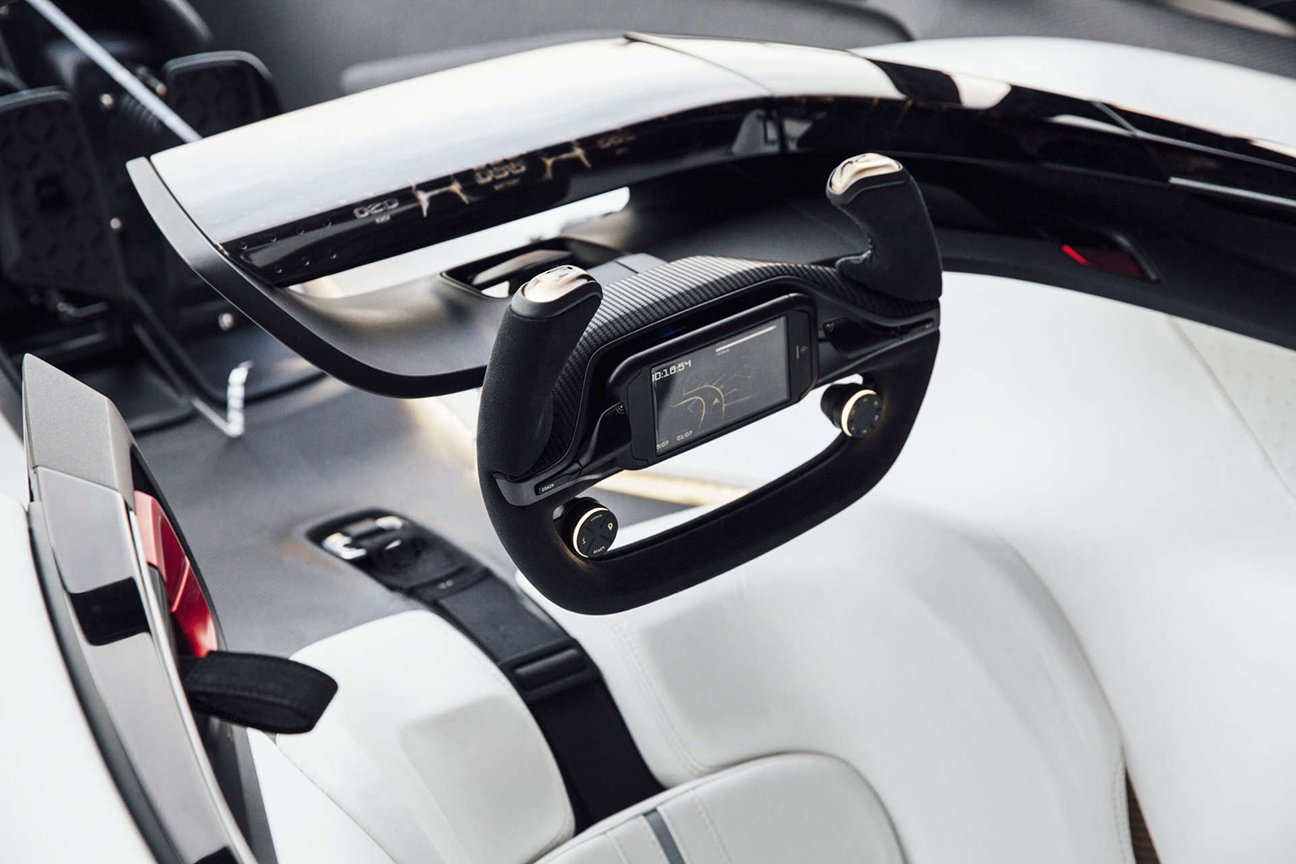
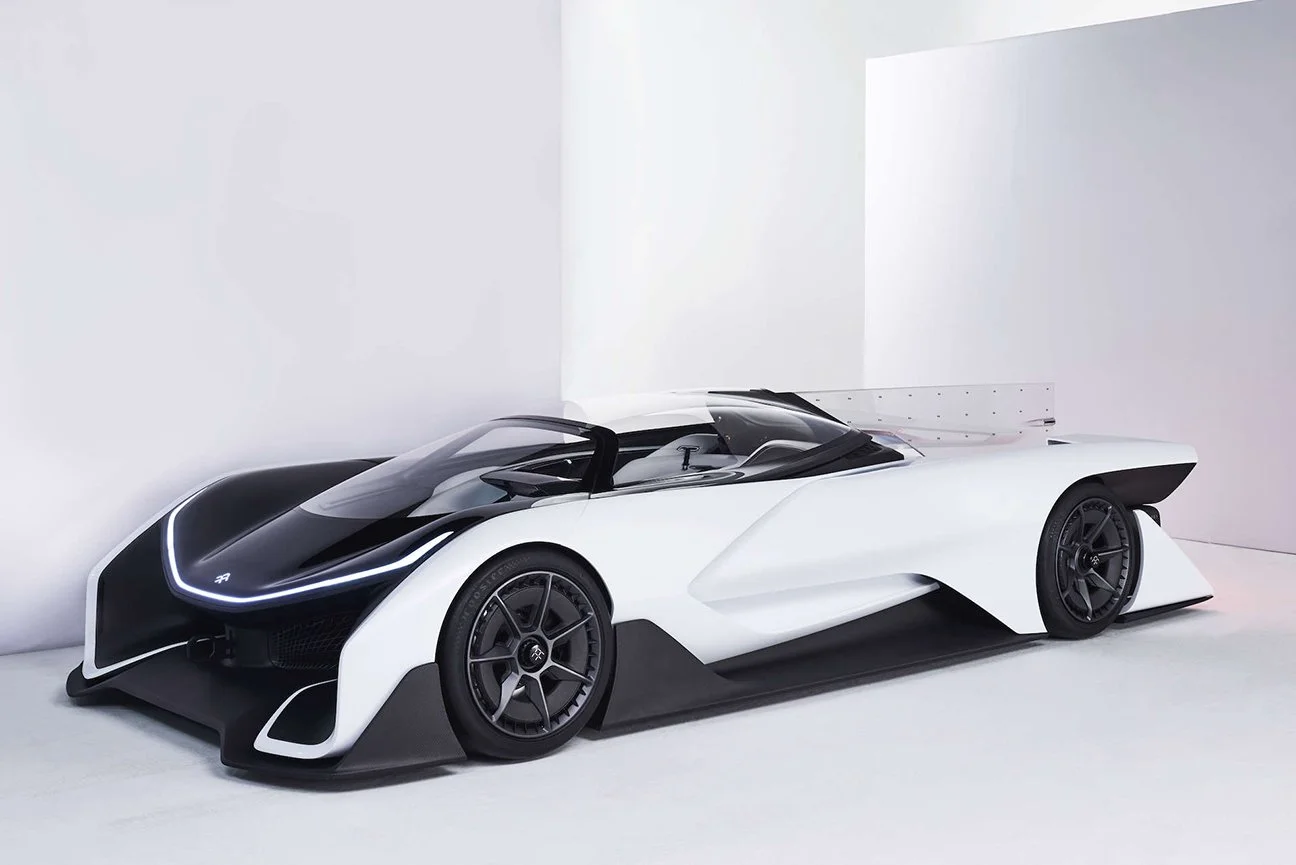
FFZERO1 was Faraday Future’s inaugural concept vehicle—an electric race car designed to showcase the brand’s bold vision of performance, innovation, and energy regeneration. With fewer than 100 people on the team at the time, nearly everyone had their hands on it in some way. As Creative Director, I led a small team of UI and motion designers to bring the digital experience of the vehicle to life. Our focus was on how energy flows, how it's used, recovered, and visualized within a high-performance electric race machine.
But my role didn’t stop at pixels. I also became the unofficial lighting tech, electrician, and network wrangler. Cables, LEDs, and power supplies became my daily toolkit.
Fun fact: Because I was so deeply involved in the fabrication of the vehicle’s internal systems, I became the FFZERO1’s official handler. Yep, everywhere the car went, I went.
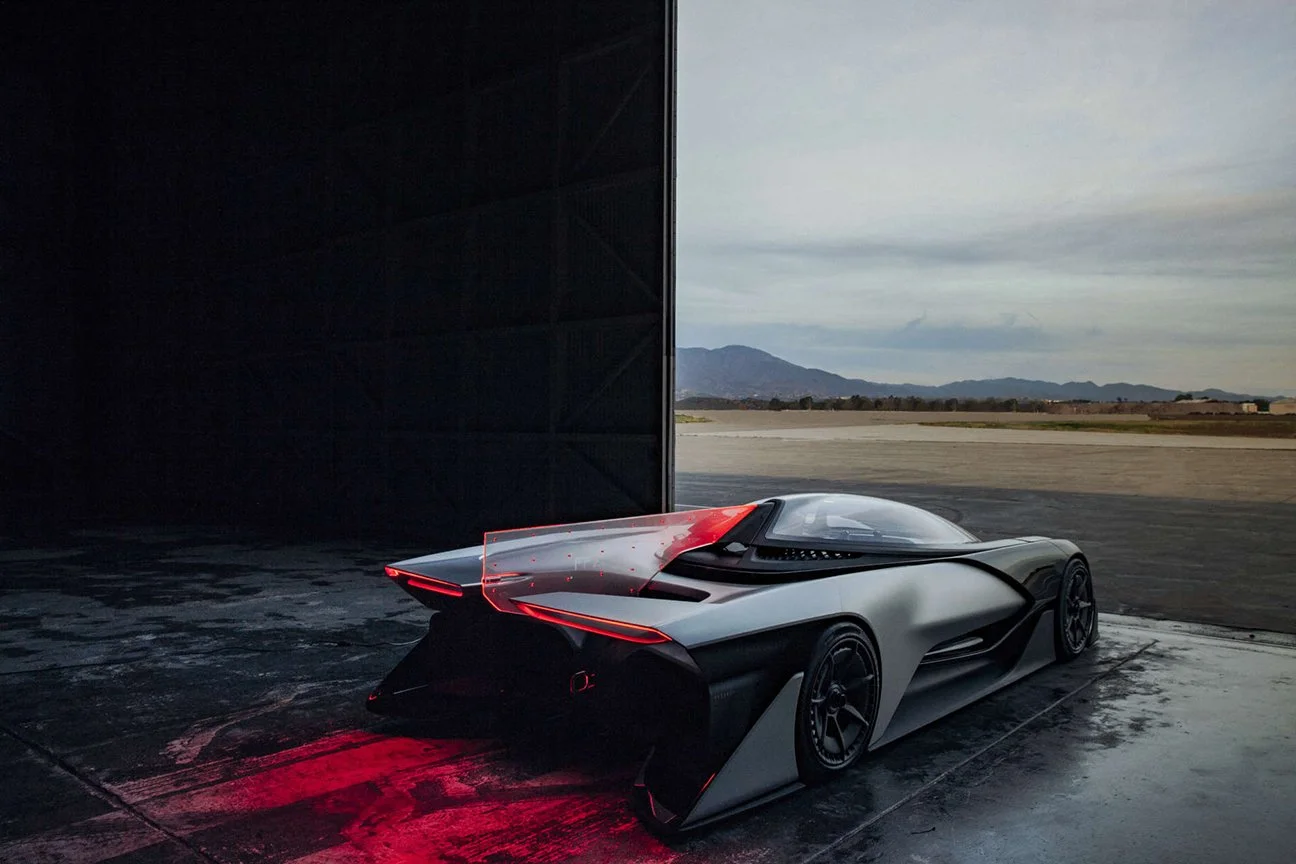
One of my favorite stories happened during the big reveal in Beijing. Everything was set until I powered up the vehicle and noticed the short-throw projector that animated the rear tail fin wasn’t working. Panic? A little. Turns out, the bracket holding the projector at its precise angle had snapped.
So I ran across the street, grabbed some takeout and a few extra pairs of chopsticks. Back at the venue, I popped a few pieces of gum, broke a chopstick to the right length, and used the gum as an improvised adhesive. Somehow, that combo held the projector in place for the entire show. Not the most glamorous fix, but it worked—and yes, I still have that chopstick… somewhere.
LETV
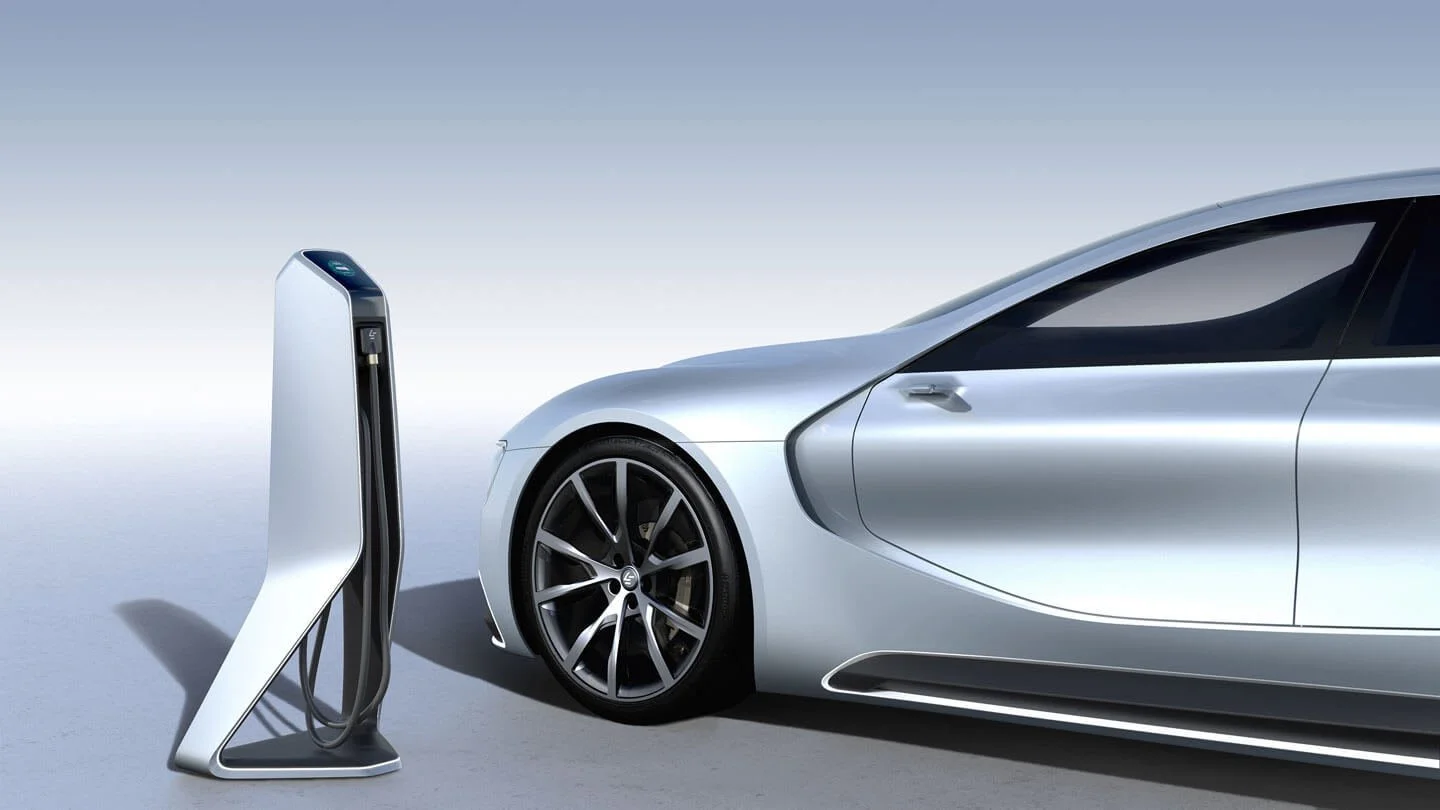
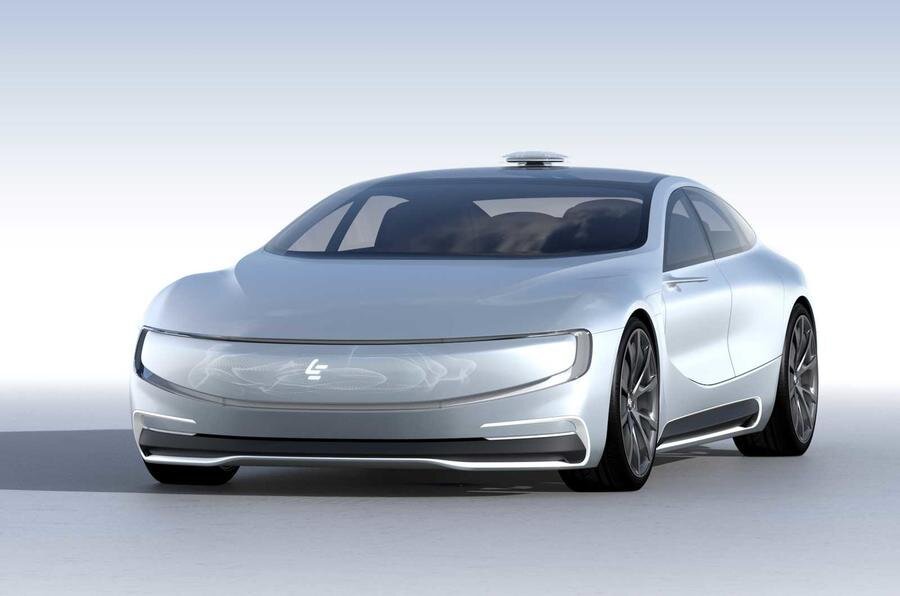
The owner of Faraday Future also ran LETV…basically the Netflix of China, and he wanted to build a production-intent show vehicle under the LETV brand. Naturally, the same ragtag crew behind the FFZERO1 jumped in to make it happen.
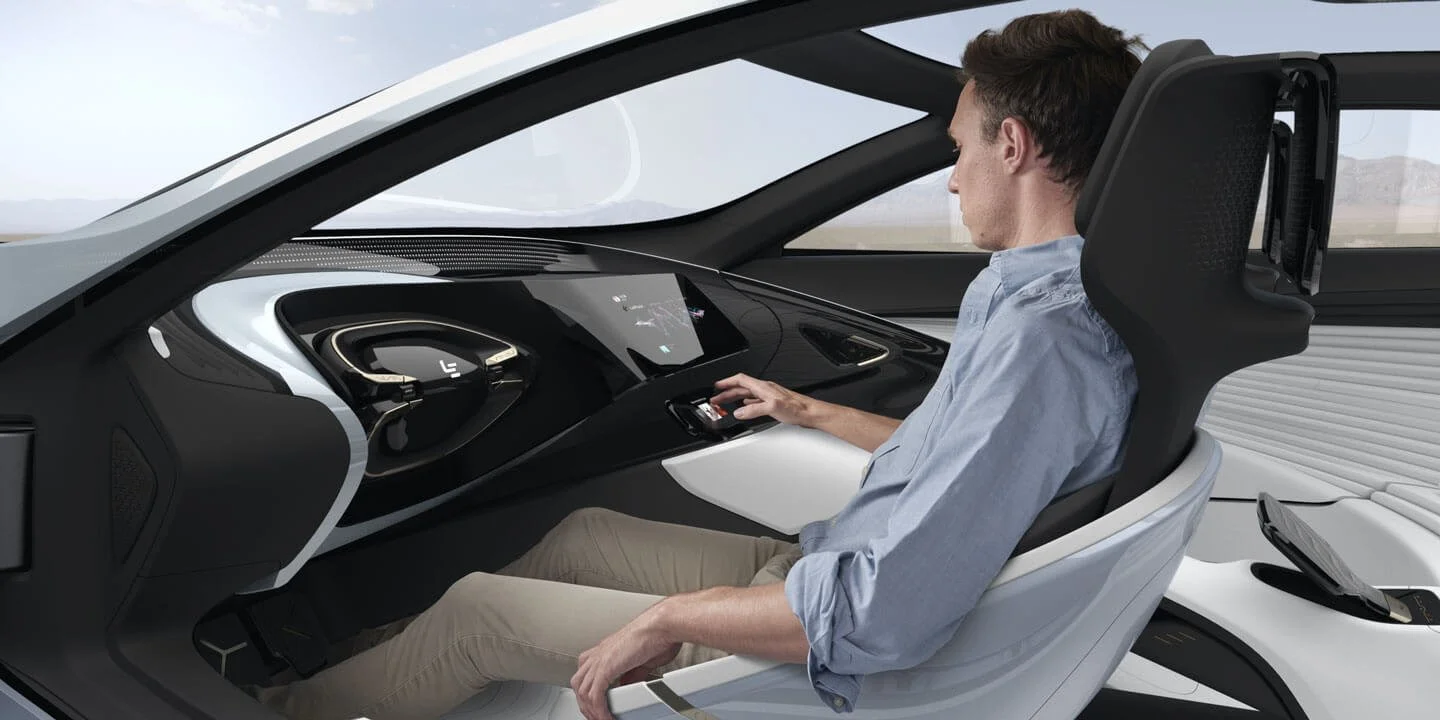
I served as Creative Director on the project, but just like before, I wasn’t afraid to roll up my sleeves and get my hands dirty. The vision for the vehicle was all about connection, a content-first experience where passengers could consume media in immersive, uninterrupted ways. Which made perfect sense given LETV’s massive footprint in content aggregation.
My team of six designers pulled this off in just three months, a lightning-fast turnaround that still managed to make a big splash on debut. The vehicle was sleek, smart, and tailored for an always-on world.
Fun fact: Along with leading the creative direction, I once again took on the role of vehicle handler (it was kind of my unofficial side gig at this point). That meant I was also the fix-it guy, making sure everything looked and worked flawlessly on the floor. And while we told the world the vehicle was fully autonomous and it did drive like one during shows, we actually controlled it via remote. Totally nerve-racking, driving a million-dollar car by joystick in front of a crowd... but hey, the illusion was smooth, the crowds were wowed, and it’s all public knowledge now. Just another day in concept car magic.