
Designing complex systems so they behave themselves.
The human interaction layer for complex machines and connected systems.
I design human experiences for complex systems where software, hardware, and real world behavior intersect. My work spans vehicles, robotics, enterprise platforms, and connected devices, translating technical complexity into clear interaction models people can trust.
COMING SOON
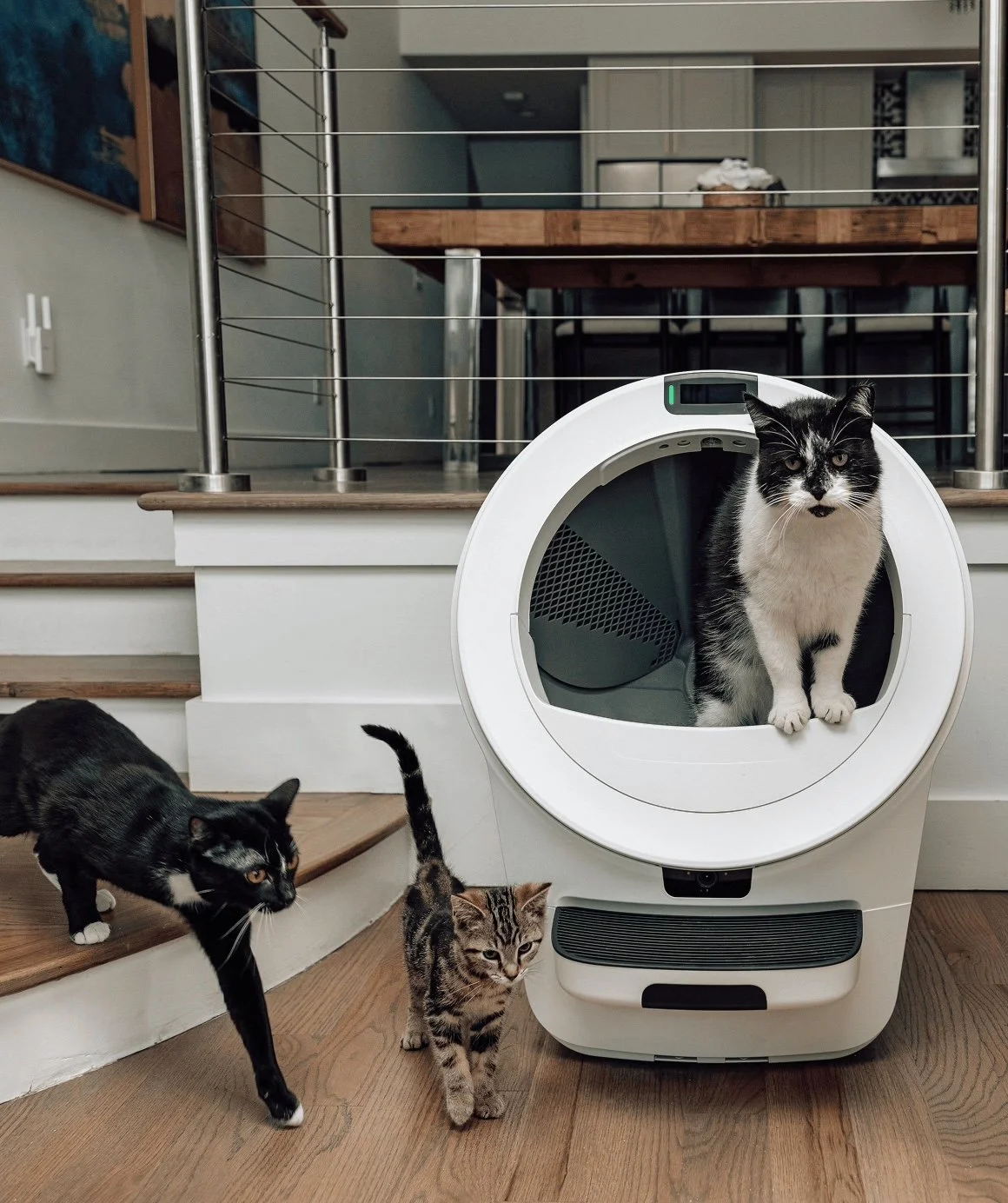
Whisker Mobile + HMI
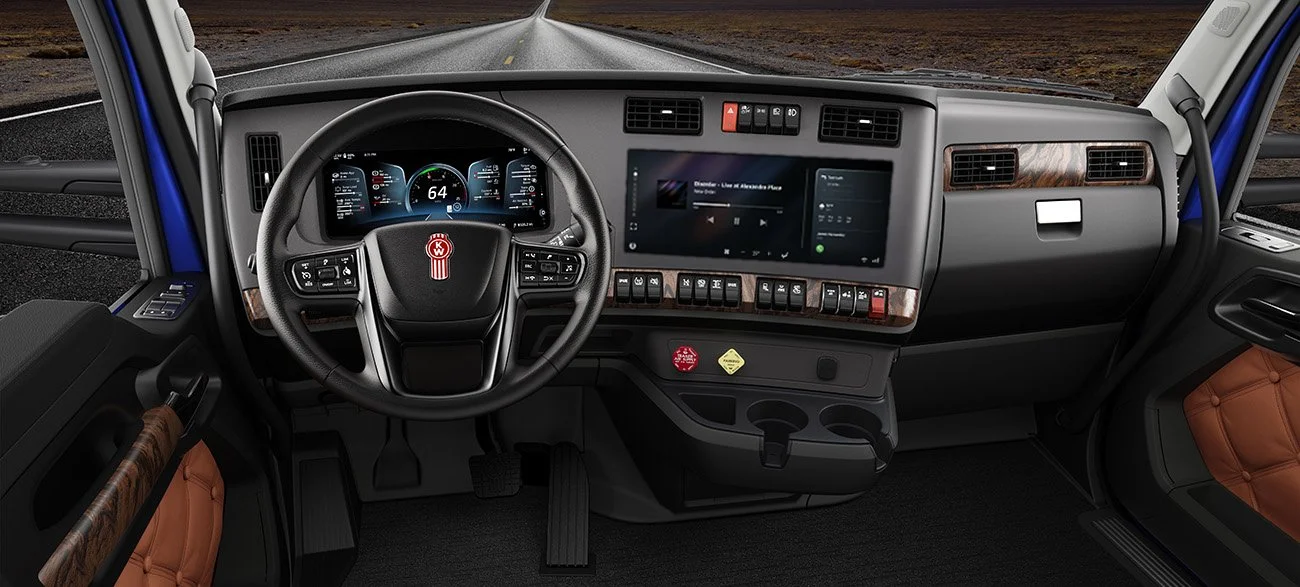
Kenworth | Peterbilt

Middleby L2F FRYBOT
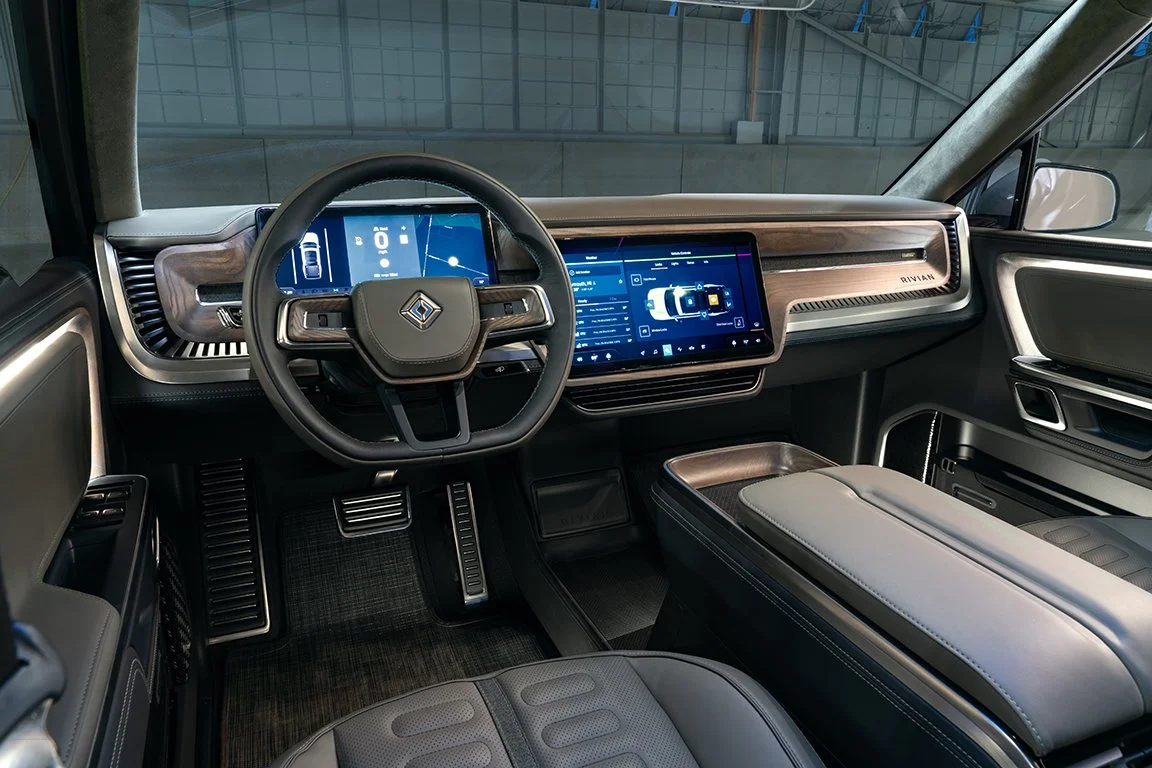
Rivian R1T | R1S
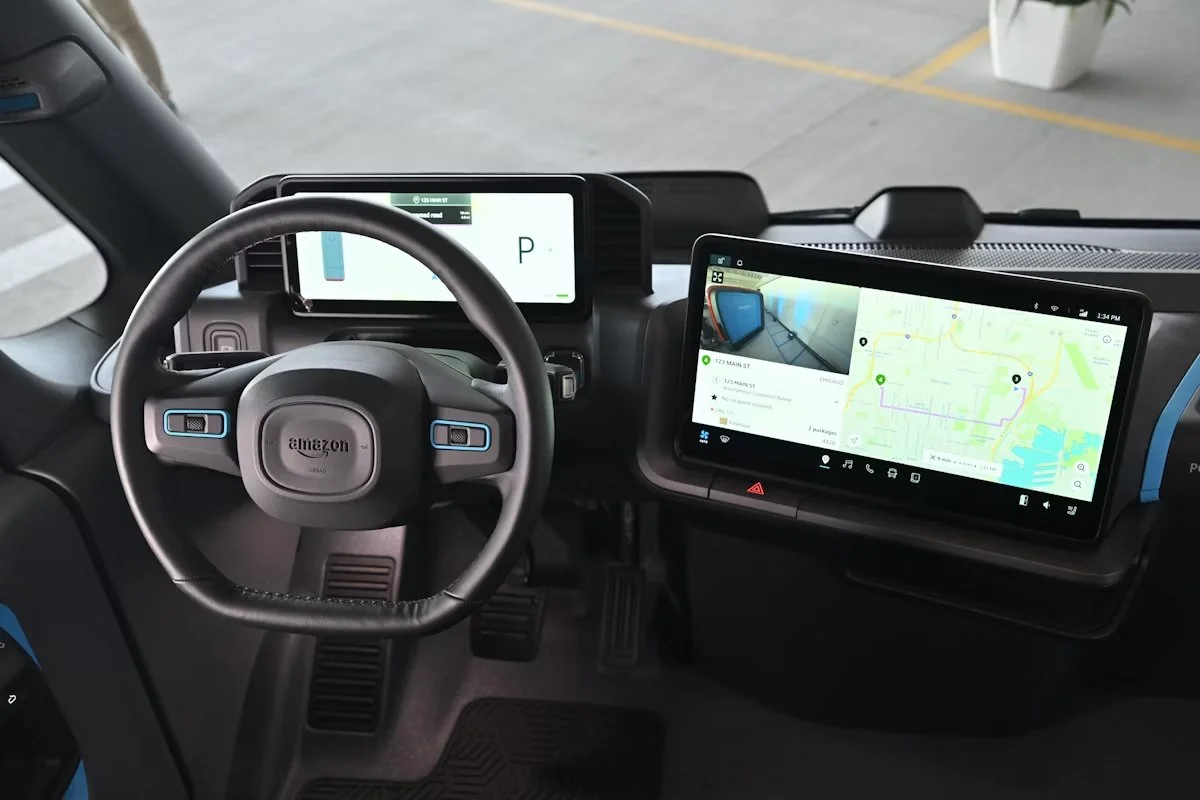
Amazon Last Mile EV
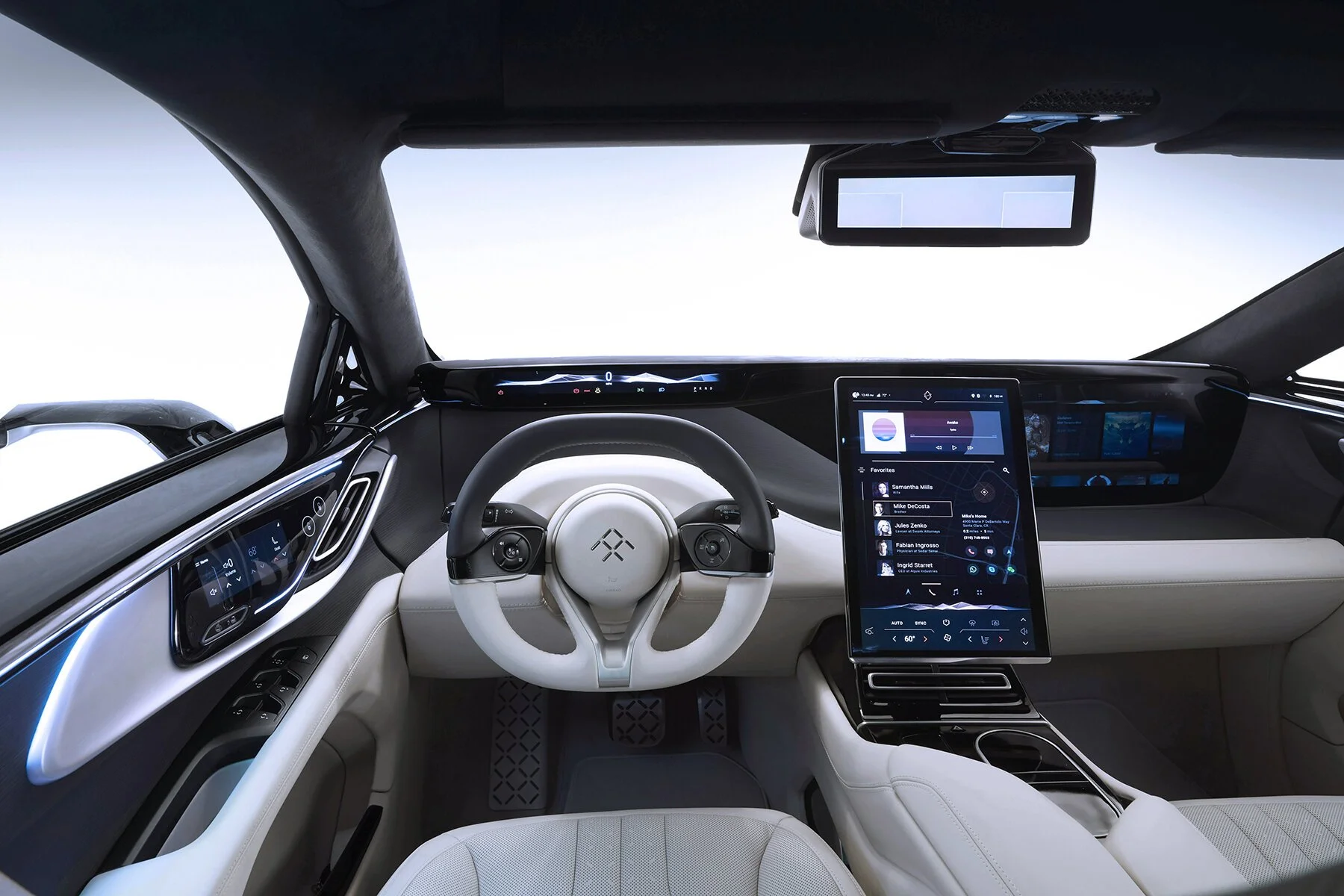
Faraday Future FF91
COMING SOON
Faraday Future Autonomous HMI
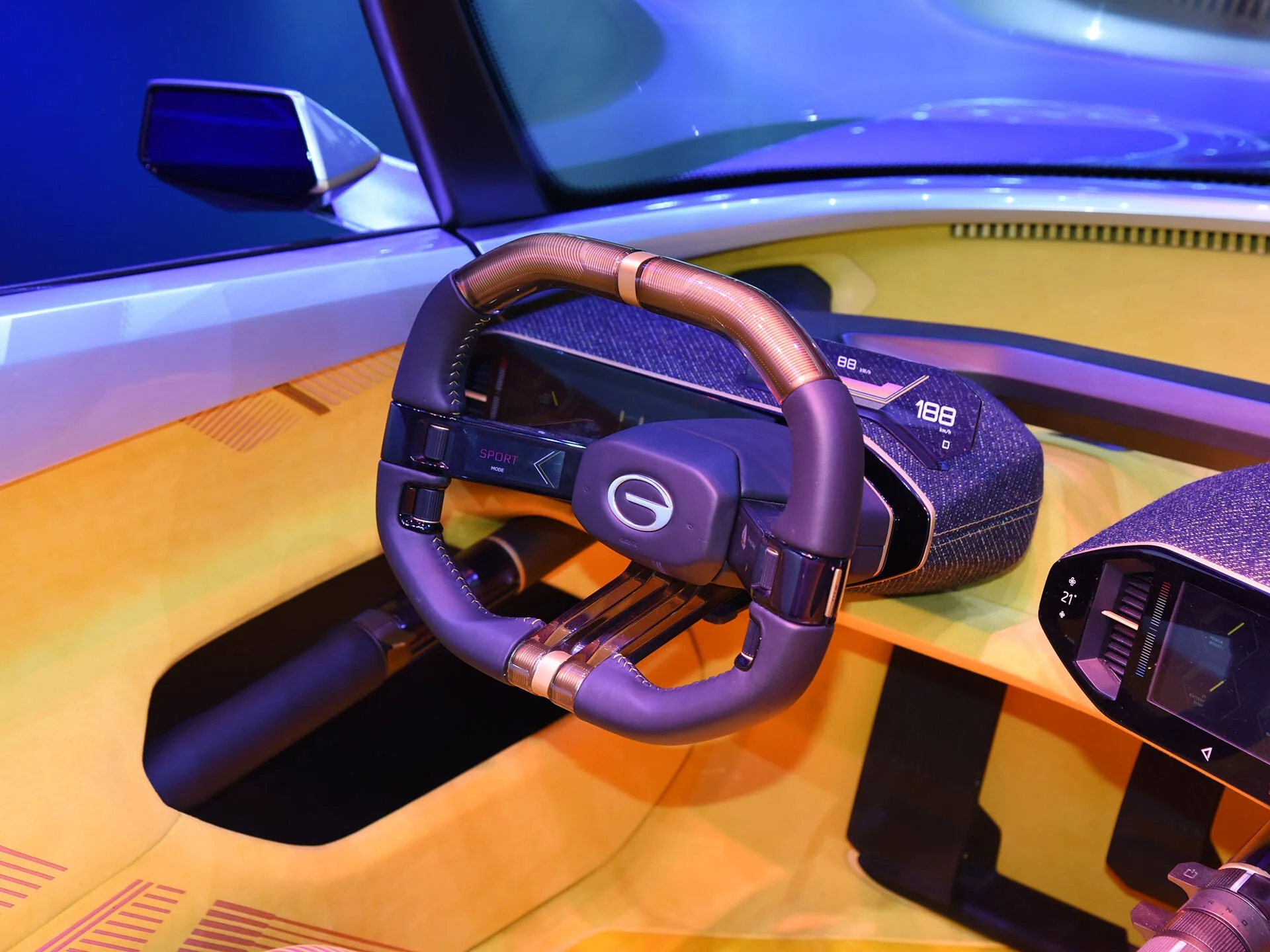
Concept Cars - GAC | FF | LETV
COMING SOON
TrueCar | HP | Dish | Lexmark
Clarity is the feature. Everything else is noise.

Whisker
Sr. UX/UI Manager
Connected robotics systems
March 2024 - February 2026
I joined Whisker to help shape the next evolution of its connected robotics ecosystem, defining how users interact with and understand the behavior of complex robotic systems across physical products and digital platforms. When I arrived, the Experience organization operated largely as a reactive service function. My role was to help reposition design as a proactive, product-shaping discipline with clear ownership of the end-to-end user journey.
Working closely with my team, I led the definition of the future experience strategy for the Whisker mobile application and the human–machine interfaces (HMI) across a new generation of products. This included establishing the foundational interaction and design strategies for the Litter-Robot 5 Pro, Litter-Robot 5, and Litter-Robot EVO, as well as six additional products in development. These efforts ensured a coherent and intentional experience across hardware and software, rather than treating each surface as an isolated touchpoint.
At the hardware level, I defined HMI strategies covering feature differentiation between on-device interactions and the mobile application, sound and audio alert systems, LED beacon color logic, physical button count and functionality, and the tactile feel and placement of controls. At the system level, I led the strategy for interaction mental models, behavioral patterns, motion and animation principles, and overall UI design, creating a consistent and learnable experience across products and platforms.
In parallel, I established the processes and collaboration models needed to support this shift, reframed product strategy conversations toward experience vision rather than prescriptive feature lists, and remained hands-on as both a people leader and individual contributor. The result was increased team ownership, stronger cross-functional alignment, and more cohesive product experiences across Whisker’s growing ecosystem.

AIO Motors
Chief Creative UI/UX
Next-generation vehicle platforms
August 2023 - April 2025
As my time at ICON IMPACT came to a close, an opportunity emerged at AIO Motors—a startup in its early stages. While my engagement was unpaid, it provided me with a valuable opportunity for personal and professional growth as I sought my next challenge.
When I joined, AIO’s vehicles were little more than conceptual shells. My role was to bring depth to the product by defining the owner’s experience and shaping both digital and physical interactions throughout the vehicle. While this type of work was familiar to me, it was still an exciting and challenging opportunity to craft the overall experience from the ground up.
Initially a full-time effort, my involvement gradually tapered as the product framework solidified and I transitioned to Whisker. As progress at AIO stalled due to funding challenges, I ultimately decided to part ways. While my time there concluded, the experience reinforced my ability to drive product definition and innovation.

ICON
Creative Director User Experience
Mobility and robotics systems
July 2021 - August 2023
During my tenure at ICON, I was deeply immersed in various projects, serving as an individual contributor with a role as the UX lead and overseeing UI aspects. The majority of my time was dedicated to working with four distinct clients.
PACCAR, the parent company of Peterbilt, Kenworth, and DAF Trucks, sought out ICON's expertise for comprehensive UX/UI design consultation as they embarked on the development of their inaugural long-haul Electric Vehicle (EV) truck. While respecting their established mental models and UI design from conventional vehicles, I helped to adapt and evolved these principles to suit the specific needs of electric vehicles.
Another client that I worked with during my time at ICON was L2F, a manufacturer of restaurant robots. L2F sought ICON's expertise to design the digital user display for their FryBot, a robot used in restaurant settings. As the project progressed, I took the initiative to propose numerous concepts aimed at enhancing the humanization of the bot and fostering customer engagement.
GM was one of ICON's long-term clients, approaching us for assistance in the development of two concept vehicles scheduled for a future debut. This project represented a ground-up, innovative endeavor in which my involvement encompassed the creation of personas, the establishment of the UX framework, the design of advanced features and functions, motion sets, and UI design.
My last client engagement at ICON was with Continental. Continental approached our team because, despite having a wide range of cutting-edge tech products for automotive OEMs, these manufacturers primarily regarded them as their tire supplier. Continental aimed to make a significant impact at the upcoming 2024 CES and turned to ICON for our trade show experience design expertise. While I am unable to share specific details due to confidentiality, I had the privilege of designing multiple immersive show experiences that incorporated personal assistance, artificial intelligence, and augmented reality.

GAC Motors
Chief Creative UI/UX
Future vehicle systems
March 2020 - July 2021
When I initially joined GAC, my primary mission was to establish a robust UX/UI department in preparation for GAC's strategic entry into the competitive US market. This department was structured to report to both the GAC Advanced Design Studio in Newport Beach and the UX/UI studio in Guangzhou, ensuring a coordinated approach to design and user experience. The anticipation was high, and my role was to lay the foundation for a successful introduction of GAC's vehicles in the US.
However, due to the rapidly deteriorating geopolitical climate, GAC made the challenging decision to postpone their US market entry. This shift in plans had a significant impact on the structure of the UX/UI department, leaving me as the sole practitioner responsible for managing all aspects of UX and UI. While it presented its share of challenges, it also provided an opportunity for me to demonstrate my expertise and make a tangible impact.
During this period, which spanned a year and a half, my work extended across multiple domains. In Guangzhou, I played a crucial role in advancing the in-vehicle UI design, contributed to the development of an advanced driver monitoring system, and worked on various digital and hardware products for their EV sports concept vehicle.
In support of the Newport Beach studio, I actively collaborated on numerous concept vehicles, each demanding unique and innovative UX/UI designs. Additionally, I was involved in the development of a revolutionary 'stalkless' driving experience, a concept that challenged conventional automotive design paradigms. This phase of my career at GAC was marked by adaptability, creativity, and an unwavering commitment to delivering high-quality design solutions, even in the face of unexpected changes in the company's strategic direction.

Rivian
Director HMI/User Experience
Electric vehicle platforms
March 2017 - March 2020
When I joined Rivian, I was among the first 100 employees, marking an exhilarating phase. My role was to establish and lead a UX design team. In the initial six months, I functioned as the sole UX designer, providing a solid foundation for the entire vehicle experience. This involved creating personas, defining core focus areas, formulating UX principles, and conceptualizing the HMI vehicle hardware and digital controls. As I expanded the team to include four UX designers, we collaboratively began crafting the UX system and application frameworks, given the blank canvas we had to work with. Once these frameworks gained approval from RJ and other C-level executives, the UX team collaborated with the UI team to develop features and functions for every digital aspect of Rivian's pickup truck and SUV.
During this phase, I assisted a portion of my team in specifying hardware requirements and workflows. This enabled mechanical and electrical engineers to engage with suppliers and actualize all user-addressable components, both inside and outside the vehicles.
As we neared the conclusion of this phase, Amazon approached Rivian to collaborate on the development of their last-mile delivery vehicle. In response, I augmented the team by adding an additional resource to manage the increased workload. Together with the team, I collaborated with Amazon to establish the digital and hardware prerequisites for the entire delivery vehicle. My team, including myself, conducted comprehensive research, which encompassed competitive analyses of rival delivery vehicles. We also identified pain points through firsthand experience during ride-alongs with Amazon delivery drivers.
Intellectual Property Committee Member
August 2019 - March 2020
As Rivian was a startup with an abundance of talent and a continuous influx of creative ideas from various sources, they decided to assemble a patent committee.This committee was comprised of eight members who convened on a weekly basis to assess the novelty of each patent application. I was invited to join this committee, leveraging my prior experience in patent creation and drafting.

Faraday Future
Principal User Experience Architect/Product Manager
Advanced vehicle systems
August 2015 - March 2017
Faraday Future was one of those rare opportunities where the brief was simple but enormous: build the next generation of electric vehicles from the ground up and rethink how people interact with them. I joined when the company was still small enough that ideas moved quickly and everyone had the chance to shape the product directly.
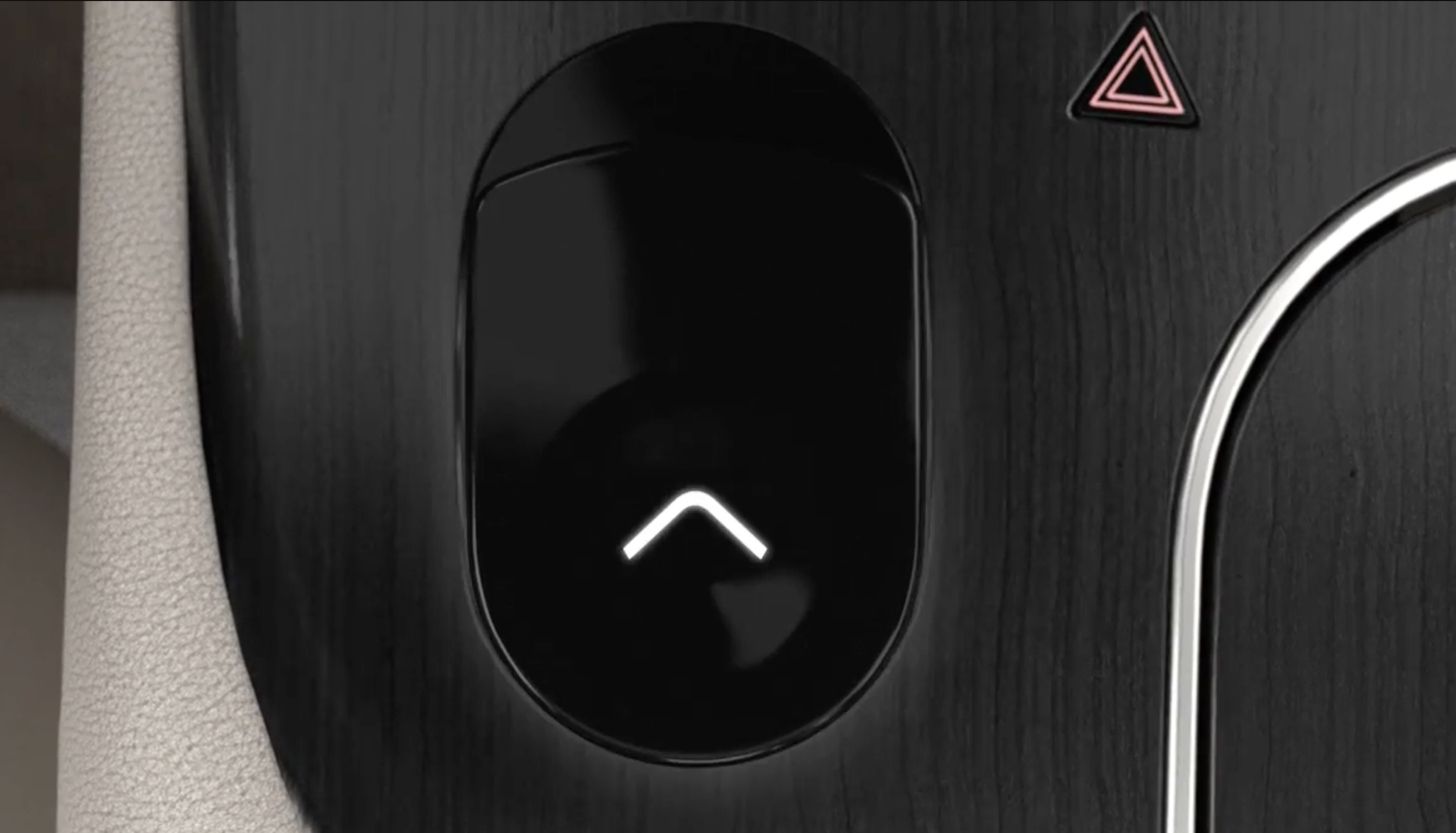
My role centered on defining the human–machine interaction across the vehicle ecosystem. Working with a team of talented product designers, we designed nearly every customer-facing interaction surfaces, from front and rear display systems to vehicle controls and interaction frameworks. One of the more unique pieces was the FF-exclusive center armrest hardware controller, an interaction device designed for autonomous driving scenarios where passengers could engage with the vehicle in entirely new ways.
At the same time, I led the digital experience work for the FFZERO1 concept vehicle, Faraday’s first public demonstration of its design and technology vision. Our team explored how energy flows through the vehicle, how it’s generated, used, recovered, and visualized within a high-performance electric race machine.
Like most early-stage vehicle programs, the work quickly expanded beyond screens. I found myself wiring LEDs, routing cables, managing power supplies, and helping bring the vehicle’s digital elements to life physically, eventually becoming the unofficial handler for the FFZERO1 during demonstrations and reveals.
One of my favorite moments came during the vehicle’s debut in Beijing. Just before the presentation, the short-throw projector animating the rear tail fin failed after its mounting bracket snapped. With no replacement available, I ran across the street, grabbed some takeout, broke a chopstick to the right length, and used it with a bit of gum as an improvised brace for the projector mount. It held for the entire show.
Not the most glamorous fix, but the car lit up exactly when it needed to.
Early Career — Connected Device and Infrastructure Systems

TrueCar
Product Management Manager
Automotive data platforms
October 2013 - August 2015
Dealer incentive and financial analytics platforms supporting pricing transparency, residual value modeling, and operational insights across the automotive retail ecosystem.

VUDO Fandango
Senior User Experience Designer
Streaming media platforms
May 2013 - October 2013
Streaming media interfaces for smart TV platforms, integrating web and mobile playback systems to support cross-device content discovery and viewing experiences.

HP Enterprise
Senior User Experience Designer
Enterprise infrastructure platforms
May 2012 - May 2013
Enterprise infrastructure platforms for configuring server blade systems, orchestrating data workflows, and provisioning virtual machine environments.

Jeppesen
Senior User Experience Designer
Aviation navigation systems
January 2012 - May 2012
Mobile flight navigation and operational decision-support systems used by pilots for real time aviation planning and cockpit navigation.

Spectrum
Senior User Experience Designer
Multi-device media systems
November 2010 - December 2011
Multi-device interaction design for set-top box platforms, integrating remote controls, on-screen navigation, and mobile/tablet companion apps to enable content discovery without disrupting shared viewing.

Dish Network
Team Lead Interaction Designer
TV interaction systems
October 2005 - November 2010
Hardware and software interaction design for set-top box platforms, defining control models across remote hardware, on-screen interfaces, and navigation systems to create consistent user mental models between physical and digital interactions.

Lexmark
Team Lead Interaction Designer
Embedded device platforms
March 2001 - October 2005
Hardware and embedded interface design for networked printers, including physical controls, LCD panel UI within constrained memory environments, ergonomic interaction models, and enterprise workflows for document retrieval and device fleet management.

2018 Car HMI UX Redefined Conference
Speaker
Topic: Process Designing HMI/UX Clean Sheet

American Academy Art
Graduate
Degree: User Interface + Interaction Design
Patents aren’t the goal. Solving real problems is.
My work has contributed to dozens of patents spanning vehicle interfaces, connected product systems, digital media platforms, and automotive HMI technologies.
USPTO Patents
12,122,252 - Rivian - "Exterior light and charge indicator" (Lead Inventor)
11,845,381 - Rivian - "Systems and methods for controlling a vehicle camera" (Lead Inventor)
11,718,189 - Rivian - “Exterior light and charge indicator” (Lead Inventor)
11,718,154 - Rivian - “Systems and methods for controlling vents of a vehicle” (Contributor)
11,673,434 - Rivian - “External vehicle tire pressure signaling” (Lead Inventor)
11,644,192 - Rivian - “Systems and methods for controlling light sources” (Lead Inventor)
11,573,678 - Faraday - “Content sharing system and method” (Contributor)
11,288,902 - Rivian - “Exterior light and charge indicator” (Lead Inventor)
11,279,283 - Rivian - “Systems and methods for controlling a vehicle camera” (Lead Inventor)
11,117,534 - Faraday - “Pre-entry auto-adjustment of vehicle settings” (Lead Inventor)
11,091,009 - Rivian - “Systems and methods for controlling vents of a vehicle” (Contributor)
11,025,983 - Technicolor - Electronic program guide displaying relevant field based on time of day (Sole Inventor)
11,023,515 - Faraday - “Infotainment based on vehicle navigation data” (Contributor)
10,322,721 - Faraday - “Adaptive cruise control system having center-console access” (Lead Inventor)
10,186,089 - Faraday - “Informational visual display for vehicles” (Contributor)
10,101,775 - Faraday - “Automatic display adjustment systems and methods” (Sole Inventor)
9,860,476 - Dish - “Personalized multimedia content driven by user preferences” (Contributor)
9,674,476 - Dish - “Personalized multimedia content driven by user preferences” (Contributor)
9,357,262 - Dish - “Systems and methods for graphical control of picture-in-picture windows” (Contributor)
8,943,030 - Dish - “Digital file management system” (Contributor)
8,937,687 - Dish - “Systems and methods for graphical control of symbol-based features in a television receiver” (Contributor)
8,799,947 - Dish - “Electronic program guides, systems and methods providing variable size of textual information” (Contributor)
8,763,045 - Dish - “Systems and methods for providing customer service features via a graphical user interface in a television receiver” (Contributor)
8,582,957 - Dish - “Methods and apparatus for visually displaying recording timer information” (Contributor)
8,473,979 - Dish - “Systems and methods for graphical adjustment of an electronic program guide” (Contributor)
8,397,262 - Dish - “Systems and methods for graphical control of user interface features in a television receiver” (Contributor)
8,321,957 - Dish - “Controlling access to content and/or services” (Contributor)
8,132,205 - Dish - “Electronic program guides, systems and methods providing date access to program information” (Contributor)
7,885,936 - Dish - “Digital file management system” (Contributor)
USPTO Design Patents
D838,280 - Faraday “Vehicle instrument panel display screen with graphical user interface” (Lead Inventor)
World Patents
WO2020102336A1 - Rivian - “Systems and methods for controlling a vehicle camera” (Lead Inventor)
WO2017075386A1 - Faraday - “Content sharing system and method” (Contributor)
WO2017040494A1 - Faraday - “Pre-entry auto-adjustment of vehicle settings” (Lead Inventor)
WO2010093637A2 - Dish - “Electronic program guides, systems and methods providing variable size of textual information” (Contributor)
European Patents
EP3241138A1 - Technicolor - “Method and apparatus providing security using graphic elements” (Sole Inventor)
EP2329643A1 - Dish - “Systems and methods for graphical control of user interface features provided by a television receiver” (Contributor)
German Patents
DE102021207146A1 - Rivian - “External vehicle tire pressure signaling” (Lead Inventor)